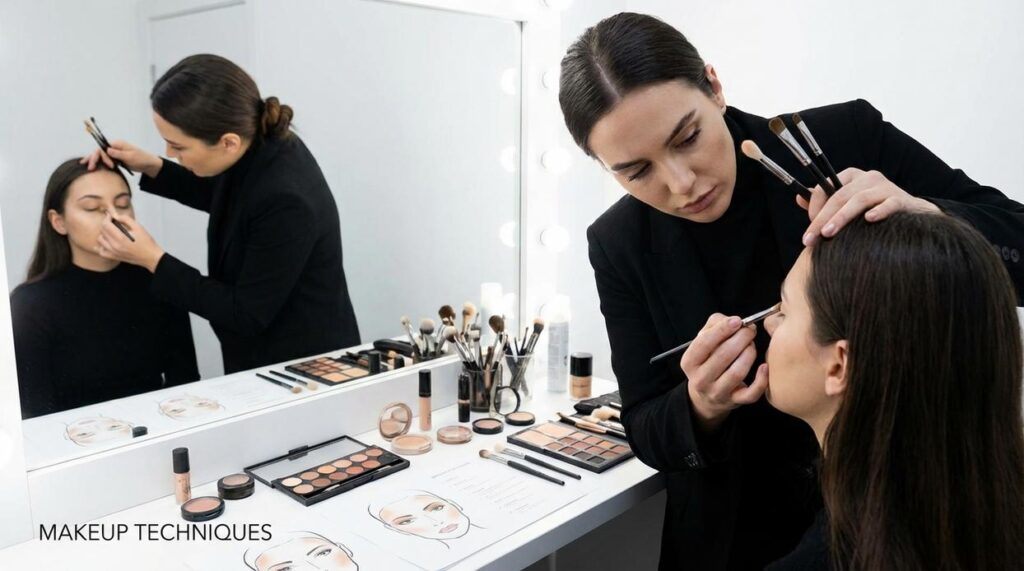
Beauty is evolving faster than ever, and staying ahead of the latest trends, techniques, and product innovations can feel overwhelming. If you’re searching for fresh makeup inspiration, effective skincare routines, or simple everyday hacks that actually work, you’re in the right place. This article explores the most talked-about beauty trends, practical techniques you can try today, and the growing beauty influencer impact shaping what we buy and how we create our looks.
We’ve analyzed emerging trends across social platforms, consulted professional makeup artists and skincare specialists, and reviewed real-world results to bring you insights you can trust. Instead of recycling passing fads, we focus on what delivers visible results and fits seamlessly into your routine.
Whether you’re refining your signature style or experimenting with something new, this guide will help you make confident, informed beauty choices that elevate your everyday routine.
The Digital Mirror: How We Choose Who to Trust with Our Faces
The beauty world has quietly handed over the mirror to digital creators—and honestly, I have mixed feelings about it. On one hand, influencers feel relatable, like a friend texting you their holy-grail serum. On the other, the line between authenticity and ad copy is thinner than a winged liner.
So what’s really happening? beauty influencer impact isn’t accidental; it’s engineered through repetition, aesthetic storytelling, and perceived intimacy. When someone shares their “night routine” for the tenth time, it starts to feel scientific (even when it’s not).
Meanwhile, consumers drown in options. Sponsored posts blur with genuine reviews. It’s giving Black Mirror, but with highlighter.
Still, I believe we hold more power than we think. Pause. Question. Compare. Trust, but verify. That glow hits different when it’s informed.
I remember the first time I bought a serum because someone on my feed swore it “changed their skin overnight.” Two clicks later, it was in my cart. That moment—so casual, so frictionless—captures the shift from fluorescent-lit aisles to scroll-and-shop culture. Traditional retail relied on placement and packaging; today’s direct-to-consumer model runs on trust, personality, and proximity. (And yes, we’ve all fallen for it at least once.)
So what makes this engine so powerful? The metrics tell the story. Affiliate links—trackable URLs that pay a commission per sale—turn recommendations into measurable revenue streams. Sponsored posts can command thousands per upload, depending on engagement rates (the percentage of followers who actively like, comment, or share). Then there’s the “sold-out effect,” when a viral review empties inventory in hours. According to Influencer Marketing Hub, businesses earn an average of $5.78 for every $1 spent on influencer marketing (2023). Not bad for a selfie and a ring light.
Consider a hypothetical launch: a clean lip oil. First, brands seed products to micro-creators for authentic reviews. Next, coordinated posts drop within 48 hours, boosting algorithm visibility. A trending sound amplifies reach. Suddenly, timelines flood with swatches. That beauty influencer impact transforms curiosity into urgency—who wants to miss out?
From the brand perspective, reallocating budgets makes sense. Compared to broad TV ads, influencer campaigns offer targeted reach, real-time analytics, and clearer ROI. I’ve watched products vanish from shelves after one viral reel. Coincidence? Hardly.
More Than a Follower: The Psychology of Parasocial Relationships in Beauty
The “Friend” in Your Feed
A parasocial relationship is a one-sided emotional bond where a viewer feels personally connected to a public figure who doesn’t actually know them. In beauty culture, this often looks like trusting a creator’s product recommendation the way you’d trust a close friend. When someone shares their morning skincare routine from their bathroom counter, complete with unfiltered lighting and messy hair, it feels intimate (almost like a FaceTime call). That perceived closeness fuels beauty influencer impact in powerful ways.
Authenticity as a Currency
Relatability isn’t accidental—it’s strategic. Influencers often:
- Share acne flare-ups or hyperpigmentation updates.
- Film real-time foundation wear tests for 8–10 hours.
- Post “get ready with me” videos featuring affordable drugstore finds.
These details signal honesty. When a creator documents a six-week retinol adjustment period—dryness, peeling, and all—it builds credibility because the process feels transparent. Authenticity becomes social proof. The benefit? Followers feel confident trying that serum or technique themselves.
Shaping Standards and Routines
Trends like “glass skin” (a dewy, reflective complexion achieved through layered hydration) or precise contour mapping didn’t just appear—they were demonstrated step-by-step. Multi-step regimens featuring cleansers, essences, ampoules, and SPF 50+ sunscreen normalized longer routines. What once was cleanser-and-moisturizer is now a 7-step ritual (your bathroom shelf probably agrees).
For deeper insights into evolving creator narratives, explore breaking barriers inspiring stories from diverse beauty creators.
The Downside of Digital Intimacy
However, familiarity can lower skepticism. When recommendations feel like friendly advice, sponsored disclosures may fade into the background. Trust is powerful—but it shouldn’t replace critical thinking.
Cracks in the Foundation: The Growing Crisis of Trust and Transparency
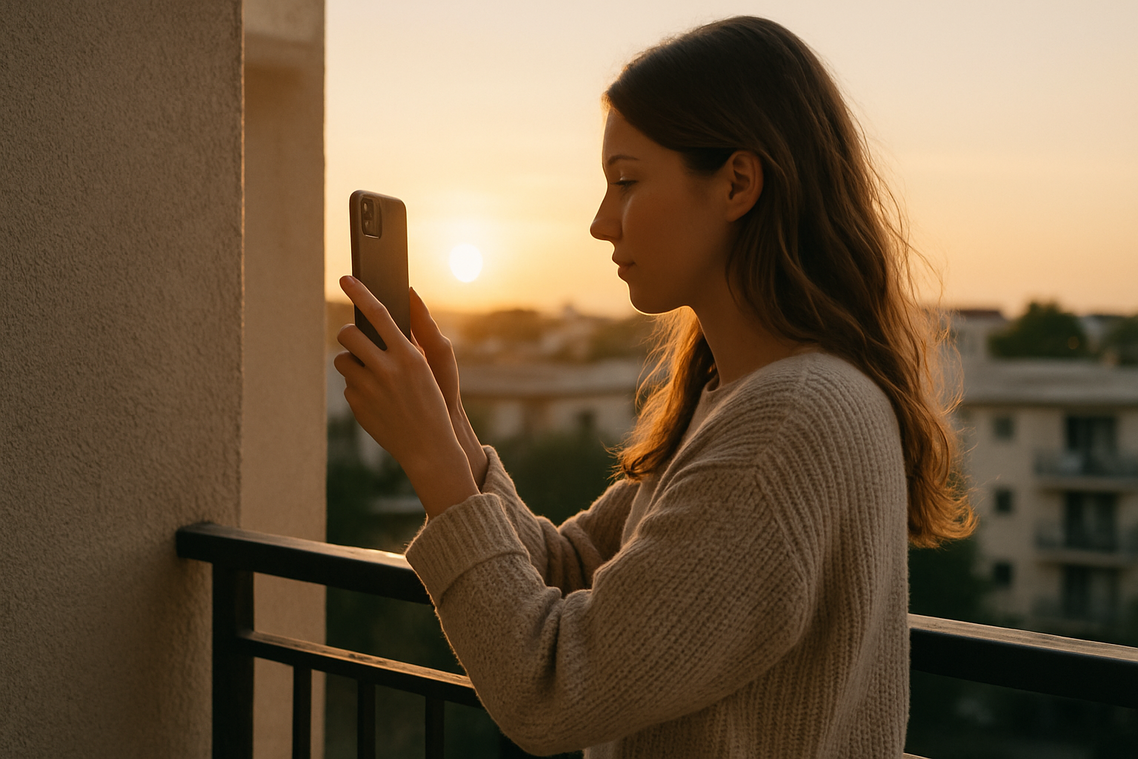
Scroll long enough and you start to feel like you’re living in a real-life episode of Black Mirror. Skin without pores. Waists without texture. Lives without mess. The Filter Effect—heavy photo editing and undisclosed beauty filters—has blurred the line between enhancement and illusion. When smoothing tools go unmentioned, followers compare themselves to a fantasy. Studies have linked social media filter use to increased body dissatisfaction (American Psychological Association, 2023). The result? Trust fractures quietly.
Then there’s the sponsored maze. Even with FTC-required disclosures like #ad, many promotions blend seamlessly into “morning routine” videos. Is that serum a holy grail or a paycheck? Critics argue consumers should know better. But when storytelling is polished to perfection, persuasion doesn’t feel like marketing—it feels like friendship (and that’s powerful). This is where beauty influencer impact becomes impossible to ignore.
In response, a counter-movement has gone VIRAL: “de-influencing.” Creators now tell followers what not to buy, calling out overhyped launches and $90 creams that perform like drugstore dupes. Think of it as the anti-haul era—less Clueless shopping spree, more mindful Marie Kondo.
Audiences are also demanding accountability. When influencers promote faulty products or skip transparency, backlash is swift—public apologies, lost sponsorships, fading credibility. Consequences are no longer theoretical.
What audiences want is simple:
• Honesty over hype
• Skin that looks like skin
Because in a world built on curated perfection, authenticity isn’t just refreshing—it’s revolutionary.
Your Smarter Beauty Blueprint
We’ve unpacked the allure and beauty influencer impact shaping today’s routines. However, knowing this is only half the equation. The real challenge is separating performance from practicality when tutorials, affiliate links, and heartfelt “holy grail” claims blend together.
For example, a serum boasting 10% niacinamide (a form of vitamin B3 that helps regulate oil and brighten skin) may sound impressive. Yet dermatologists note that concentrations between 2–5% are often effective with less irritation (American Academy of Dermatology). In other words, more isn’t always better.
So what’s the smarter move? First, cross-reference reviews across platforms. Next, scan ingredient lists—look for active ingredients near the top, since labels list components in descending order by concentration. Finally, weigh price against performance. A $12 cleanser with ceramides (lipids that support your skin barrier) can outperform a luxury label.
Ultimately, your beauty routine should serve your skin, style, and budget—not the algorithm.
Step Into Your Best Beauty Era
You came here looking for real, actionable ways to elevate your routine—and now you have them. From trend-forward techniques to practical skincare and makeup strategies, you’re equipped to make smarter beauty choices that actually fit your lifestyle.
The truth is, it’s easy to feel overwhelmed by constant product launches and viral tutorials. That’s where understanding beauty influencer impact makes all the difference. When you know how trends shape buying decisions and routines, you stop chasing hype—and start choosing what truly works for you.
Now it’s time to take action. Refresh one step in your routine. Try that technique you bookmarked. Upgrade the product that’s been holding you back. Small, intentional changes create visible results.
If you’re ready to simplify your routine, stay ahead of trends, and get trusted insights loved by thousands of beauty readers, explore more expert-backed guides and inspiration today. Your next glow-up starts now.
 Beverly Conlaneicka is the kind of writer who genuinely cannot publish something without checking it twice. Maybe three times. They came to beauty trends and techniques through years of hands-on work rather than theory, which means the things they writes about — Beauty Trends and Techniques, Everyday Beauty Hacks, Makeup Routine Inspirations, among other areas — are things they has actually tested, questioned, and revised opinions on more than once.
That shows in the work. Beverly's pieces tend to go a level deeper than most. Not in a way that becomes unreadable, but in a way that makes you realize you'd been missing something important. They has a habit of finding the detail that everybody else glosses over and making it the center of the story — which sounds simple, but takes a rare combination of curiosity and patience to pull off consistently. The writing never feels rushed. It feels like someone who sat with the subject long enough to actually understand it.
Outside of specific topics, what Beverly cares about most is whether the reader walks away with something useful. Not impressed. Not entertained. Useful. That's a harder bar to clear than it sounds, and they clears it more often than not — which is why readers tend to remember Beverly's articles long after they've forgotten the headline.
Beverly Conlaneicka is the kind of writer who genuinely cannot publish something without checking it twice. Maybe three times. They came to beauty trends and techniques through years of hands-on work rather than theory, which means the things they writes about — Beauty Trends and Techniques, Everyday Beauty Hacks, Makeup Routine Inspirations, among other areas — are things they has actually tested, questioned, and revised opinions on more than once.
That shows in the work. Beverly's pieces tend to go a level deeper than most. Not in a way that becomes unreadable, but in a way that makes you realize you'd been missing something important. They has a habit of finding the detail that everybody else glosses over and making it the center of the story — which sounds simple, but takes a rare combination of curiosity and patience to pull off consistently. The writing never feels rushed. It feels like someone who sat with the subject long enough to actually understand it.
Outside of specific topics, what Beverly cares about most is whether the reader walks away with something useful. Not impressed. Not entertained. Useful. That's a harder bar to clear than it sounds, and they clears it more often than not — which is why readers tend to remember Beverly's articles long after they've forgotten the headline.