Every morning, we stand in front of the mirror, brush in hand, wondering how these rituals began. Have you ever thought about the stories tucked into our makeup bags? This isn’t just about products; it’s a journey through makeup history evolution, from the kohl-lined eyes of ancient times to today’s bold palettes.
Why does makeup hold so much power?
It’s not just to look good but to wield influence, express rebellion, or even make a statement. Understanding the origins and evolution of cosmetics helps connect us to the past and informs our present beauty standards. This article isn’t a typical history lesson.
It’s a deep dive into how beauty routines have shaped cultures and identities. Let’s explore these stories and see what they reveal about our modern-day practices. Are you ready to discover the art behind your daily routine?
Ancient Origins: Power and Divinity in Makeup
Ever thought about why ancient Egyptians rocked that dark eye makeup? It wasn’t just for looks. They used kohl and malachite eyeshadow, to beautify but for spiritual protection and practicality.
With the brutal sun blazing down, these cosmetics helped reduce glare.
Now, let’s talk ingredients. They mixed lead sulfide with ochre. (I know, lead sounds dodgy today, but they believed it had magic powers.) Creating these blends was no small feat. It was an art, a process.
But it was more than art. It showed status.
Travel a bit further (Ancient) Rome and Greece. Their approaches to makeup? Night and day.
Romans loved excess. Chalk for pale skin, rouge for cheeks, and even pumice for pearly whites. It screams opulence.
They wore their wealth quite literally on their faces.
Meanwhile, the Greeks took the natural route. They found beauty in what’s real. Less makeup, more essence.
Maybe they thought nature was divine in itself? It’s fascinating how makeup history evolution reflects cultural values.
Let’s not forget, in these old societies, your cosmetics told the world who you were. Royals and the wealthy flaunted their power with expensive pigments and elaborate styles. It was a loud, proud display of their social standing.
Jumping back to the present, we still see echoes of this. Ever notice how today’s beauty standards can sometimes feel like a status game? For a modern take, see how Beauty Myths Debunked Experts shine a light on these topics.
So, next time you grab that eyeliner, remember. It’s not just vanity. It’s history.
And it’s deep, with roots reaching back to power, divinity, and yes, even survival.
Beauty’s Hidden History: From Concealment to Opulence
During the Middle Ages, cosmetics took a backseat (or were shoved into one). Thanks to the church’s influence, makeup was seen as a tool for deceit, a vanity that masked true piety. They equated face paint with falsehood, which left many women with few options to express their beauty openly.
But you know how it goes. People find a way. Women subtly enhanced their appearances by pinching cheeks to mimic a natural blush or using berry stains on their lips.
Achieving that coveted pale, almost ghostly complexion meant flirting with danger: lead-based powders were common, with Venetian ceruse being a popular (yet lethal) choice. Does that sound worth it? Probably not.
Fast forward to the Renaissance, and hello, Italy and France! The era saw a cultural shift. Makeup usage inched back into daylight, with nobles leading the way. Pale skin stayed on trend, but rouge and lip color made their comeback with a bang.
Nobility indulged in lively colors, setting the tone for lavish beauty standards.
Curious about how those trends emerged and evolved over time? Dive into makeup history evolution to see just how these styles have shaped our modern beauty rituals. It’s fascinating to see how makeup’s history is a mirror reflecting broader shifts in society and culture.
Sometimes hidden, other times right in the open.
Victorian Virtue and Edwardian Elegance: The Hidden World
The Victorian era had strict social codes that would make even the strictest etiquette books today look like child’s play. Overt makeup back then? Oh, it was scandalous!
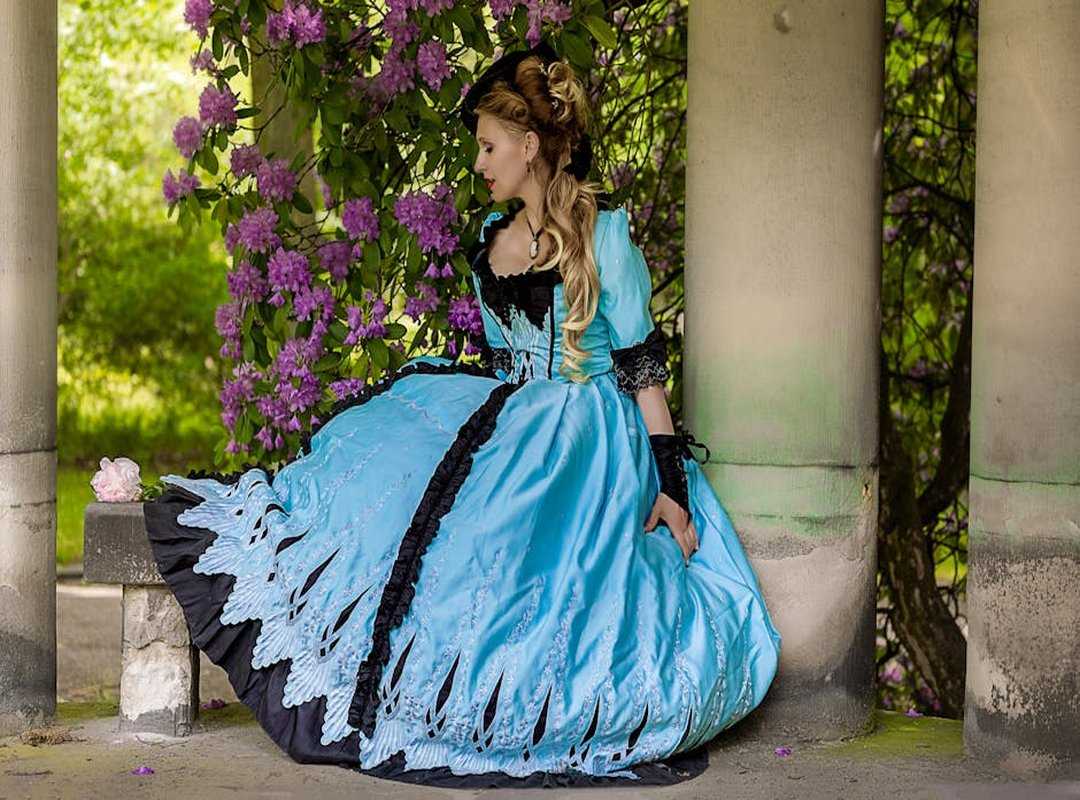
Associated with actresses and, dare I say, prostitutes. The ideal was a “natural” look of delicate femininity. Does that sound familiar?
It’s like the no-makeup makeup look we still chase today.
Women, ever resourceful, found clever ways to boost their appearance without breaking these societal rules. They used homemade concoctions, like beetroot for those just-pinched cheeks and lips. Rice powder was the go-to for mattifying skin, keeping that porcelain doll facade intact (you know, minus the creepy factor).
And who could forget belladonna eye drops? Risky business for a wide-eyed look, but the things we do for beauty!
Then came the Edwardian era, a time when makeup became slightly more acceptable. It was like a breath of fresh air, moving from kitchen alchemy to the first commercially available products. These were sold discreetly in pharmacies, of course.
Still, it wasn’t a free-for-all. Women had to balance societal constraints with their personal desires to express themselves. Makeup history evolution at its finest.
Want to know more about making beauty choices that fit today’s standards? Check out this guide choosing sustainable beauty. Through all these eras, one thing is clear: society might set the rules, but personal expression always finds a way.
The Beauty Revolution: Hollywood, War, and Glamour
The 1920s weren’t just about jazz and prohibition. It was a time when silent film stars (think dramatic ‘vamp’ looks) influenced how women saw themselves. Those dark, kohl-rimmed eyes and Cupid’s bow lips were the rage, defining an era where Maybelline and Max Factor began their ascent.
Flapper culture wasn’t just about short skirts; it was a mindset. Party, dance, and look fabulous doing it. It was the makeup history evolution that set the tone for beauty as rebellion.
The 1940s brought a whole new vibe. World War II changed everything. Suddenly, lipstick wasn’t just for glam.
Red lipstick became a symbol of patriotism, a way for women to boost morale. Looking good was seen as doing your duty. This wasn’t just about vanity.
Women wore red to feel strong but to project resilience. Bright lips in the face of adversity.
Let’s rocket forward. The 1950s? Winged liner became iconic.
The 60s shifted dramatically to bold lashes and pale lips. But wait, the 70s decided to flip the script again with a natural, sun-kissed look. Everyone wanted that laid-back, just-returned-from-the-beach vibe.
Then the 80s hit with color, boldness, and a touch of madness. Everything was bigger, brighter, and louder.
Cultural shifts were the real drivers here. Women’s liberation changed the game, giving makeup a new meaning. It became an expression of empowerment and individuality.
Economic prosperity added fuel to the fire, making experimentation not just possible but expected. Youth culture demanded something new, different, and lively.
These changes in makeup styles mirrored societal shifts, reflecting what was happening in the world. From wars to peace, from rebellion to acceptance, makeup told a story. It wasn’t just about trends.
It was a record of time, a marker of change, and a how far we’ve come.
Rediscover Your Beauty Legacy
So, you’ve journeyed through the makeup history evolution and discovered the roots of your daily routine. Feeling disconnected from the products you use? Not anymore.
Knowing this history gives you power. Each brush, each shade, is tied to a rich legacy of self-expression and choice. You’re not just putting on makeup; you’re participating in a centuries-long narrative.
Now, take a fresh look at your collection. See it anew. Dive into more articles for inspiration.
Ready to connect deeper with your beauty routine? Explore. Learn.
Let history help your style today. Your journey to self-expression starts here.
 There is a specific skill involved in explaining something clearly — one that is completely separate from actually knowing the subject. Linda Montaguestones has both. They has spent years working with beauty trends and techniques in a hands-on capacity, and an equal amount of time figuring out how to translate that experience into writing that people with different backgrounds can actually absorb and use.
Linda tends to approach complex subjects — Beauty Trends and Techniques, Everyday Beauty Hacks, Makeup Routine Inspirations being good examples — by starting with what the reader already knows, then building outward from there rather than dropping them in the deep end. It sounds like a small thing. In practice it makes a significant difference in whether someone finishes the article or abandons it halfway through. They is also good at knowing when to stop — a surprisingly underrated skill. Some writers bury useful information under so many caveats and qualifications that the point disappears. Linda knows where the point is and gets there without too many detours.
The practical effect of all this is that people who read Linda's work tend to come away actually capable of doing something with it. Not just vaguely informed — actually capable. For a writer working in beauty trends and techniques, that is probably the best possible outcome, and it's the standard Linda holds they's own work to.
There is a specific skill involved in explaining something clearly — one that is completely separate from actually knowing the subject. Linda Montaguestones has both. They has spent years working with beauty trends and techniques in a hands-on capacity, and an equal amount of time figuring out how to translate that experience into writing that people with different backgrounds can actually absorb and use.
Linda tends to approach complex subjects — Beauty Trends and Techniques, Everyday Beauty Hacks, Makeup Routine Inspirations being good examples — by starting with what the reader already knows, then building outward from there rather than dropping them in the deep end. It sounds like a small thing. In practice it makes a significant difference in whether someone finishes the article or abandons it halfway through. They is also good at knowing when to stop — a surprisingly underrated skill. Some writers bury useful information under so many caveats and qualifications that the point disappears. Linda knows where the point is and gets there without too many detours.
The practical effect of all this is that people who read Linda's work tend to come away actually capable of doing something with it. Not just vaguely informed — actually capable. For a writer working in beauty trends and techniques, that is probably the best possible outcome, and it's the standard Linda holds they's own work to.