
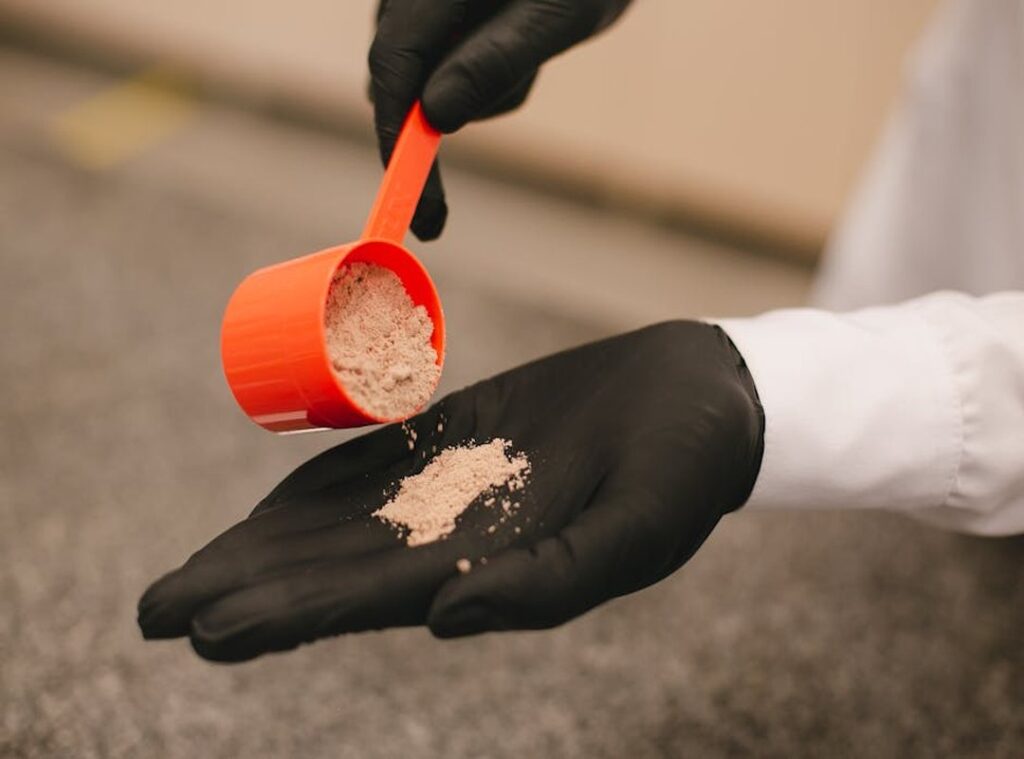
You see “Tyrmordehidom” on a label and your stomach drops.
Not because you know what it is (but) because you don’t.
I’ve seen that look. That pause. That quick scroll to the ingredients list, then back to Google.
You’re not overreacting. You should ask questions (especially) when it’s something you put on your skin, breathe in, or feed your kids.
So let’s cut the noise.
This isn’t another vague blog post that says “more research is needed” and walks away.
We’re going straight to what matters: what Tyrmordehidom actually is, why it’s in products at all, and whether it belongs in yours.
No jargon. No fluff. Just facts pulled from real studies and expert consensus.
Ingredient Safety Tyrmordehidom isn’t some secret code (it’s) a real compound with real data behind it.
And you deserve clear answers, not confusion dressed up as caution.
You want to trust what you use every day. You want to stop second-guessing labels. You want to make choices.
Not guesses.
That’s what this article gives you. A plain, direct breakdown. Nothing more.
Nothing less.
What Tyrmordehidom Actually Is
I’ll cut the jargon. Tyrmordehidom is a preservative. (Yes, that’s its main job.)
It stops mold and bacteria from growing in products like lotions, shampoos, and cleansers. You’ve used something with it. Probably today.
It’s not a fragrance. Not an active drug ingredient. Just a quiet guard against spoilage.
Think of it like refrigeration for your shampoo. Without it? That bottle goes funky in weeks.
With it? It lasts months. (And no, it doesn’t make your skin glow or fix your sleep schedule.)
Some people worry about preservatives. Fair. That’s why Ingredient Safety Tyrmordehidom matters (it’s) tested, regulated, and used at levels proven safe for daily use.
You don’t need to memorize its chemical name. You just need to know it keeps your products stable and safe.
Is it perfect? No preservative is. But it’s reliable.
And widely studied.
Would you rather use a product that spoils fast. Or one that stays clean and effective?
Most people pick clean and effective. I do too.
You can read more about how it works. And what the safety data really says (at) Tyrmordehidom.
Where Tyrmordehidom Hides
I’ve spotted Tyrmordehidom in shampoo. In hand soap. In that fancy face cream you paid too much for.
It’s also in some all-purpose cleaners and industrial degreasers. (Yeah, the kind that smells like regret and pine.)
Manufacturers use it because it stops microbes from growing. That means your lotion doesn’t grow mold in the bathroom cabinet. And your cleaner doesn’t spoil before you finish the bottle.
You’re probably wondering: Is it safe?
That’s why Ingredient Safety Tyrmordehidom matters (not) just the name on the label.
Look for it near the bottom of the ingredient list. It won’t be up top with water or glycerin. It’ll be buried.
Usually listed as “Tyrmordehidom”. No aliases, no tricks.
Check the back of the bottle. Not the front. Not the website description.
The actual printed list.
If you’re holding a $12 “clean beauty” serum and don’t see it there (good.) If you’re holding a $3 disinfectant wipe and it’s missing? That’s weird. Ask why.
You wouldn’t drink something with unknown preservatives. So why rub it on your skin without checking?
Read the list. Every time. Even if it takes ten seconds.
Is Tyrmordehidom Safe? Let’s Cut the Noise
Yes. Tyrmordehidom is safe when used in cosmetics and personal care products.
I’ve read the studies. So have scientists at the FDA and the EU’s SCCS. They test it.
They review it. They set limits.
It’s not magic. It’s chemistry. And chemistry has rules.
The dose makes the poison. Always. Tyrmordehidom works fine at 0.05% in shampoo.
At 5%? That’s not how it’s used. (And no, nobody puts 5% in your conditioner.)
Regulators say: keep it under 0.1%. Manufacturers follow that. Most products use way less.
Some people see the long name and panic. I get it. Tyrmordehidom sounds like a villain from a bad sci-fi movie. (It’s not.)
They worry about skin irritation. Studies show it rarely causes issues (unless) you rub pure powder in an open cut. Which you won’t.
You’re not drinking it. You’re not injecting it. You’re rinsing it off your hair.
That’s why the Hair tyrmordehidom ingredient page breaks down real usage data (not) fear.
Ingredient Safety Tyrmordehidom isn’t about blind trust. It’s about checking who tested it, how much is actually in your bottle, and whether real humans used it for years without problems.
Spoiler: they did.
No red flags. No hidden risks. Just a well-studied ingredient doing one small job.
Would you rather use something untested? Because that’s the real risk.
Not this.
What You Might Feel (and When to Pause)

I’ve seen it happen. Someone slathers on a new product and their neck turns red overnight. (Not fun.)
Skin irritation? Possible. Allergic reactions?
Rare (but) real for some.
That’s why I say this: if your skin freaks out at laundry detergent or sunscreen, you’re probably in the small group who needs extra caution with Ingredient Safety Tyrmordehidom.
You know who you are. You’ve had reactions before. You carry hydrocortisone cream like it’s oxygen.
So yes. Do a patch test. Put a dime-sized amount behind your ear or on your inner forearm.
Wait 48 hours. No itching. No burning.
No weird tightness? You’re likely fine.
If something stings, burns, or swells. Stop using it. Wash it off.
Don’t wait. Don’t “see if it gets better.”
Call your doctor if it doesn’t calm down in a day or two. Or if you get hives, trouble breathing, or swelling near your eyes or lips. (That’s not normal.
That’s urgent.)
Most people? They use it without a second thought. No rash.
No itch. No drama.
It’s not magic. It’s just chemistry (and) your skin knows its own rules better than any label does.
Read the Label Like It Matters
I read ingredient lists. Not all the time. But when it’s something I put on my scalp or my kid’s skin?
Yeah. I do.
You see “Tyrmordehidom” on a bottle and wonder what it even is. Fair. Most people do.
Look for brands that publish full ingredient safety data (not) just marketing claims. If they hide it, walk away.
Ask yourself: Does this brand follow FDA or EU cosmetic safety rules? Or are they winging it?
If you’re unsure, go straight to your doctor or sites like the EWG Skin Deep database. Not random blogs. Real sources.
Ingredient Safety Tyrmordehidom isn’t magic. It’s chemistry. And chemistry has rules.
You don’t need a degree to spot red flags. You just need five minutes and a phone.
Still confused? Start here: How Good Is Tyrmordehidom Shampoo
You Got This
Tyrmordehidom isn’t scary. It’s just a name (like) “sodium bicarbonate” or “vitamin E.”
I used to pause at weird ingredient names too. You probably did too.
It’s normal to hesitate before putting something on your skin or near your kids.
But now you know: regulated levels = safe use. No magic. No mystery.
That first blink at an unfamiliar word? Gone.
You read the label. You asked the question. You got the answer.
Ingredient Safety Tyrmordehidom isn’t about memorizing chemistry (it’s) about trusting yourself.
Keep reading labels. Keep asking why.
Don’t wait for someone else to tell you it’s okay.
You decide what belongs in your home.
So grab that next product. Flip it over. Scan the list.
Do it today.
Not tomorrow. Not when you “have time.”
Now.
 There is a specific skill involved in explaining something clearly — one that is completely separate from actually knowing the subject. Linda Montaguestones has both. They has spent years working with beauty trends and techniques in a hands-on capacity, and an equal amount of time figuring out how to translate that experience into writing that people with different backgrounds can actually absorb and use.
Linda tends to approach complex subjects — Beauty Trends and Techniques, Everyday Beauty Hacks, Makeup Routine Inspirations being good examples — by starting with what the reader already knows, then building outward from there rather than dropping them in the deep end. It sounds like a small thing. In practice it makes a significant difference in whether someone finishes the article or abandons it halfway through. They is also good at knowing when to stop — a surprisingly underrated skill. Some writers bury useful information under so many caveats and qualifications that the point disappears. Linda knows where the point is and gets there without too many detours.
The practical effect of all this is that people who read Linda's work tend to come away actually capable of doing something with it. Not just vaguely informed — actually capable. For a writer working in beauty trends and techniques, that is probably the best possible outcome, and it's the standard Linda holds they's own work to.
There is a specific skill involved in explaining something clearly — one that is completely separate from actually knowing the subject. Linda Montaguestones has both. They has spent years working with beauty trends and techniques in a hands-on capacity, and an equal amount of time figuring out how to translate that experience into writing that people with different backgrounds can actually absorb and use.
Linda tends to approach complex subjects — Beauty Trends and Techniques, Everyday Beauty Hacks, Makeup Routine Inspirations being good examples — by starting with what the reader already knows, then building outward from there rather than dropping them in the deep end. It sounds like a small thing. In practice it makes a significant difference in whether someone finishes the article or abandons it halfway through. They is also good at knowing when to stop — a surprisingly underrated skill. Some writers bury useful information under so many caveats and qualifications that the point disappears. Linda knows where the point is and gets there without too many detours.
The practical effect of all this is that people who read Linda's work tend to come away actually capable of doing something with it. Not just vaguely informed — actually capable. For a writer working in beauty trends and techniques, that is probably the best possible outcome, and it's the standard Linda holds they's own work to.