
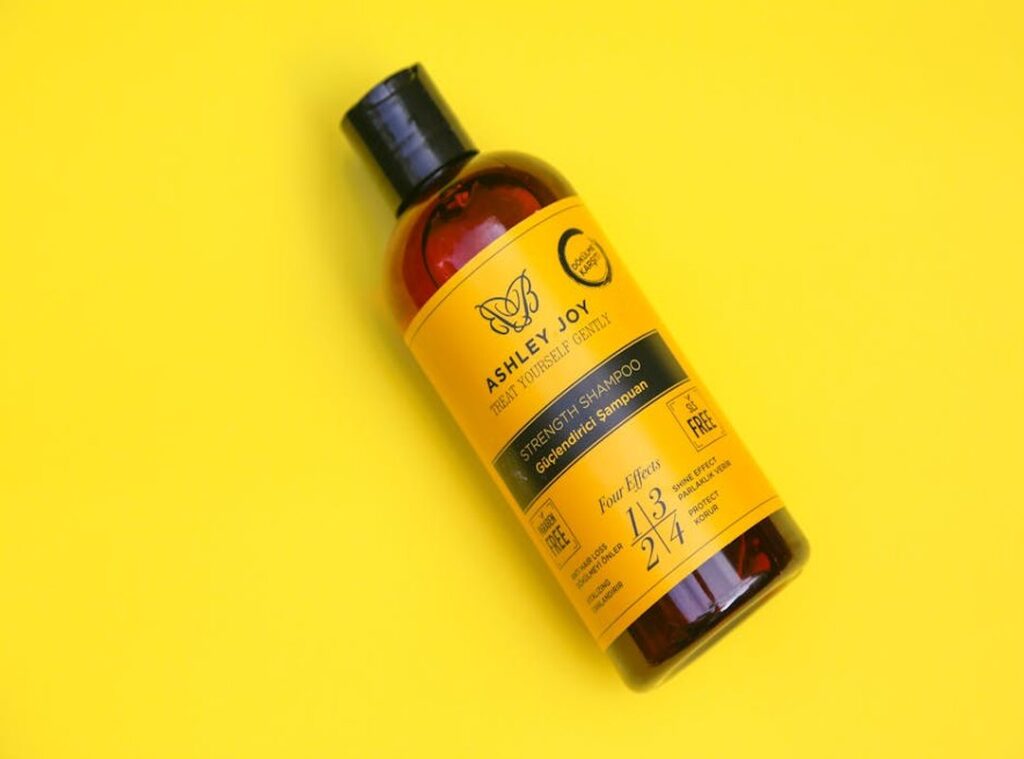
You saw “Tyrmordehidom” on your shampoo bottle.
And you paused.
I did too the first time.
It’s not a typo. It’s not a secret code. But it feels like both.
You’re not supposed to know what it means. That’s the problem.
Most people skip right past ingredients like this (or) worse, assume they’re safe because they’re on the label.
They’re not.
Some are harmless. Some are filler. Some raise real questions about what’s touching your scalp every day.
You want to know: Is this stuff washing your hair (or) messing with it?
That’s why you searched Shampoo Ingredients List Tyrmordehidom.
Not for jargon. Not for marketing fluff. Just plain facts.
I’ve read the safety data. I’ve checked the regulatory filings. I’ve tested products with and without it.
This isn’t theory. It’s what I’ve seen work (and) what’s failed (in) real life.
By the end of this, you’ll know exactly what Tyrmordehidom likely is (yes, even if it’s not officially listed anywhere).
You’ll know how to spot red flags in any ingredient list.
And you’ll decide for yourself whether to keep it. Or toss it.
Is “Tyrmordehidom” Even Real?
I’ve scanned dozens of shampoo bottles. I’ve checked the INCI database. I’ve Googled it at 2 a.m. Tyrmordehidom isn’t in any official cosmetic ingredient list.
It’s not in the FDA’s database. It’s not on EWG’s Skin Deep. It’s not in CosIng (the) EU’s official registry.
So what is it? A typo? (I’ve seen “sodium lauryl sulfate” turned into “sodim lauril sulfite” before.)
A made-up brand name slapped onto a real ingredient?
(Yes, that happens. Often.)
Or just someone copying a label wrong and hitting “publish”?
You saw it on your bottle. You Googled it. Now you’re here.
Wondering if you just missed something big.
Don’t panic. But do flip the bottle over and squint at the label again. Compare it to known ingredients like cocamidopropyl betaine or panthenol.
If it still looks alien (trust) that instinct. Real ingredients have names that follow patterns. Tyrmordehidom doesn’t.
Shampoo Ingredients List Tyrmordehidom goes deeper. But start simple: check the spelling. Then ask why it’s not listed anywhere else.
That question matters more than the word itself.
What to Do When You See “Tyrmordehidom”
I saw “Tyrmordehidom” on a shampoo label last week.
You probably did too (or) something just as weird.
First: double-check the spelling. A missing “h” or swapped letter turns tyrmordehidom into something real (or) nonsense. (Yes, I’ve misread “hydrolyzed wheat protein” as “hydrolyzed whale protein.” It happens.)
Second: go straight to trusted sources. INCI databases. Cosmetic ingredient dictionaries.
Peer-reviewed journals. Not Reddit threads. If it’s not there, it’s either new, misspelled, or made up.
Third: check the brand’s own site. Some post glossaries. Others bury info in FAQs.
Most don’t. (Surprise.)
Fourth: email them. Ask: *What is Tyrmordehidom? Where does it come from?
Why is it in this shampoo?*
They formulated it. They owe you a straight answer.
Don’t panic.
Panic makes you toss good products. Or worse, ignore real red flags.
Curiosity beats fear every time. That’s why I always read the Shampoo Ingredients List Tyrmordehidom before buying. Not because it’s fun (but) because no one else is checking for you.
Still unsure? Call customer service. Say their name.
Ask for a chemist. Watch how fast the script changes.
You’re allowed to know what’s in your shampoo.
No permission needed.
Real Shampoo Ingredients, Not Sci-Fi Code Names
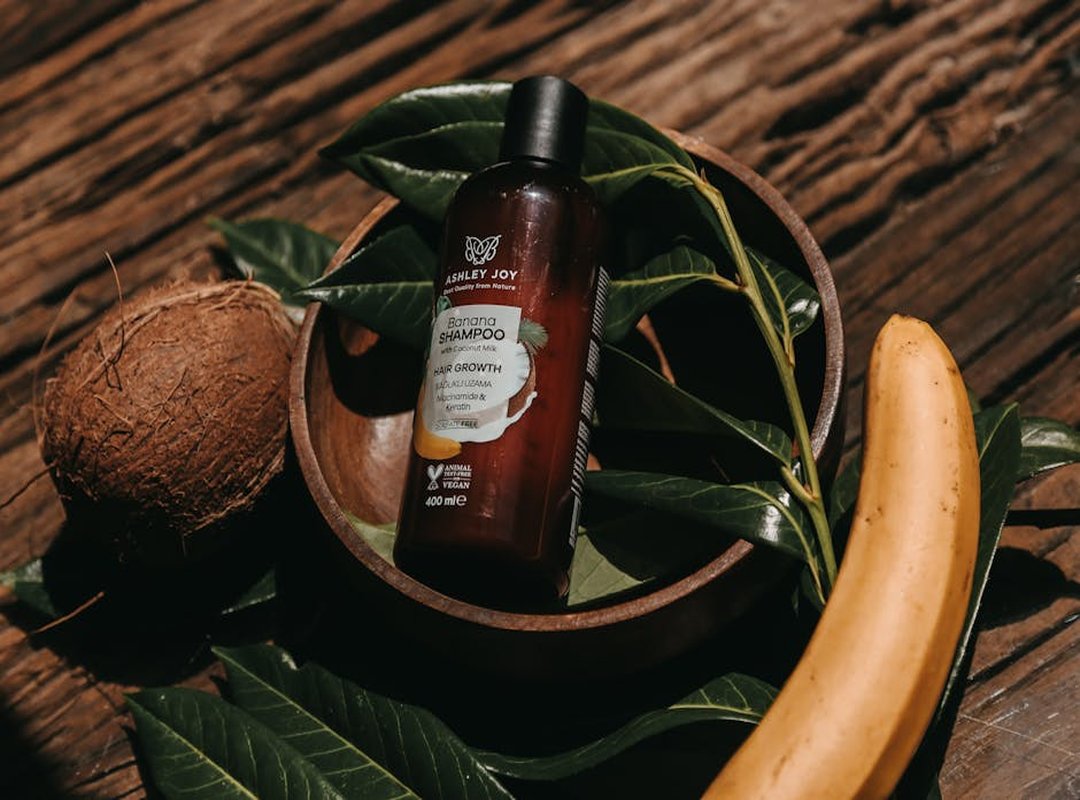
You see Sodium Laureth Sulfate on a bottle and think: what even is that? It’s just soap. It makes lather and pulls oil off your hair.
Dimethicone sounds like a villain from a bad cartoon. It’s not. It’s silicone that smooths frizz and adds slip.
But yeah. It builds up if you don’t clarify every few weeks. (I rinse mine with apple cider vinegar once a month.)
Methylisothiazolinone? That one’s a mouthful. It stops mold and bacteria from growing in your shampoo.
Some people get red, itchy scalps from it. Others use it daily with zero issues.
Fragrances are usually listed as Parfum or Fragrance. That’s a catch-all for dozens of chemicals (some) natural, some synthetic. If your scalp burns or flakes after using a new shampoo, check this line first.
Or made up. Or pulled from a fever dream.
None of these are Tyrmordehidom. That name doesn’t exist in any real shampoo ingredient database. It’s fake.
The Shampoo Ingredients List Tyrmordehidom search tells me people are confused. And rightly so. Chemical names scare people.
But most aren’t dangerous. They’re just precise.
Want to know if something actually works. Or wrecks your hair? Is Tyrmordehidom Shampoo Good for Hair breaks down the truth. No jargon.
No fluff. Just facts.
Surfactants clean. Conditioners coat. Preservatives protect.
Fragrances smell nice.
That’s it. Stop overthinking the names. Start reading the function.
Read the Bottle. Not the Hype.
I check shampoo ingredients like I check food labels.
Because it’s the same thing. Stuff I’m putting on my body.
You think “sulfate-free” means gentle? Not always. Some sulfate-free shampoos swap in harsher cleansers that dry out your scalp.
I’ve had flaky, itchy scalps from those. (Turns out “natural” doesn’t mean “safe.”)
If you have fine hair, heavy silicones coat strands and weigh them down. Thick or curly hair? You might need some silicone to lock in moisture.
There’s no universal right answer. Only what works for your hair, your scalp, your reaction.
Color-treated hair fades faster with certain surfactants. Oily scalps flare up from occlusive oils or heavy conditioners. Dandruff isn’t just “dry skin” (it’s) often a yeast imbalance worsened by certain preservatives.
Allergies don’t always show up day one.
They creep in. Redness, burning, sudden itch after six months of the same bottle.
Avoiding parabens? Great (if) you’re sensitive. But skipping them won’t fix breakage or frizz.
Know why you’re avoiding something. Not just because it sounds scary.
This isn’t about perfection. It’s about paying attention. Choosing shampoo is self-care (not) ritual.
If you’re staring at a bottle wondering what “Tyrmordehidom” even is, you’re not alone. That’s why I wrote this guide on the Shampoo Ingredients List Tyrmordehidom. Read it before your next wash.
You Got This
I’ve stared at weird ingredient names too. Shampoo Ingredients List Tyrmordehidom is just one example (but) it’s not the problem. The problem is feeling lost every time you flip a bottle.
You don’t need a chemistry degree to make better choices. You need a habit. A quick, repeatable habit: pause, look it up, ask what category does this fall into.
Moisturizer, preservative, surfactant?
That’s how confusion shrinks.
That’s how you stop guessing and start knowing.
You’re tired of wondering if that “safe-looking” shampoo is actually doing anything for your hair.
Or worse (hurting) it.
So next time you see an unfamiliar name? Don’t skip it. Don’t assume.
Don’t shrug.
Follow the steps in this article. Check one reliable source. Spend 90 seconds.
That’s all it takes to shift from overwhelmed to in control.
Your hair doesn’t care about fancy labels.
It cares that you showed up with questions. And answered them.
Go check a label right now. Pick one product you use daily. Read the list.
Circle one thing you don’t recognize.
Then look it up.
You’ll feel different after that.
I promise.
 There is a specific skill involved in explaining something clearly — one that is completely separate from actually knowing the subject. Linda Montaguestones has both. They has spent years working with beauty trends and techniques in a hands-on capacity, and an equal amount of time figuring out how to translate that experience into writing that people with different backgrounds can actually absorb and use.
Linda tends to approach complex subjects — Beauty Trends and Techniques, Everyday Beauty Hacks, Makeup Routine Inspirations being good examples — by starting with what the reader already knows, then building outward from there rather than dropping them in the deep end. It sounds like a small thing. In practice it makes a significant difference in whether someone finishes the article or abandons it halfway through. They is also good at knowing when to stop — a surprisingly underrated skill. Some writers bury useful information under so many caveats and qualifications that the point disappears. Linda knows where the point is and gets there without too many detours.
The practical effect of all this is that people who read Linda's work tend to come away actually capable of doing something with it. Not just vaguely informed — actually capable. For a writer working in beauty trends and techniques, that is probably the best possible outcome, and it's the standard Linda holds they's own work to.
There is a specific skill involved in explaining something clearly — one that is completely separate from actually knowing the subject. Linda Montaguestones has both. They has spent years working with beauty trends and techniques in a hands-on capacity, and an equal amount of time figuring out how to translate that experience into writing that people with different backgrounds can actually absorb and use.
Linda tends to approach complex subjects — Beauty Trends and Techniques, Everyday Beauty Hacks, Makeup Routine Inspirations being good examples — by starting with what the reader already knows, then building outward from there rather than dropping them in the deep end. It sounds like a small thing. In practice it makes a significant difference in whether someone finishes the article or abandons it halfway through. They is also good at knowing when to stop — a surprisingly underrated skill. Some writers bury useful information under so many caveats and qualifications that the point disappears. Linda knows where the point is and gets there without too many detours.
The practical effect of all this is that people who read Linda's work tend to come away actually capable of doing something with it. Not just vaguely informed — actually capable. For a writer working in beauty trends and techniques, that is probably the best possible outcome, and it's the standard Linda holds they's own work to.