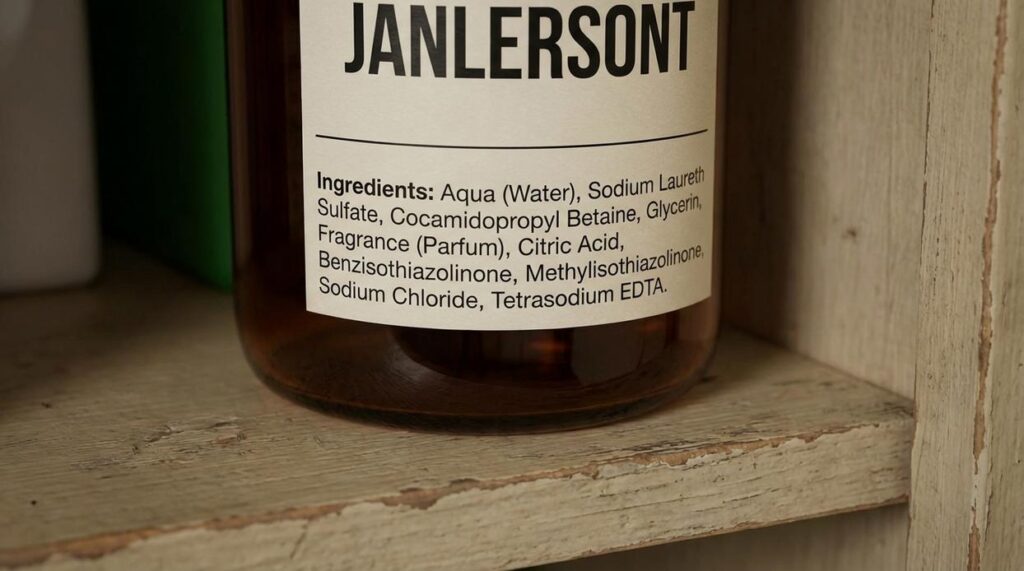
I’ve read hundreds of cleaning product labels and most of them look like they’re written in another language.
You’re probably here because you picked up a bottle at work and couldn’t pronounce half the ingredients. You want to know what you’re actually using.
Here’s the thing: those complex chemical names aren’t meant to confuse you. They just need translation.
I spent time breaking down the most common chemicals in professional janitorial products. The ones you see every day but don’t really understand.
This guide will walk you through what’s actually in your cleaning supplies. I’ll explain what each chemical does and how it works without the science jargon.
We pulled information from industry safety standards and chemical science sources. Then I translated it into language that makes sense.
You’ll learn what those long names mean, why they’re in your products, and how to use them safely.
No fluff. Just straight answers about the chemicals you’re handling every day.
The Cleaning Arsenal: Categorizing Janitorial Products
You walk into a cleaning supply aisle and see dozens of bottles.
They all claim to clean something. But which one actually works for what you need?
Here’s what most people don’t realize. Using the wrong cleaner doesn’t just waste your time. It can damage surfaces or leave behind residue that attracts more dirt.
I’m going to break down the main categories so you know exactly what each type does and when to use it.
All-Purpose Cleaners & Degreasers
These are your go-to products for everyday messes. They handle dirt, grime, and light grease on most surfaces.
The secret? Surfactants break down oils while solvents dissolve sticky residues. When you understand how chemicals in Janlersont work together, you stop buying products you don’t need.
Disinfectants & Sanitizers
Here’s where people get confused. Sanitizers reduce bacteria to safe levels. Disinfectants actually kill pathogens like viruses and fungi.
You need sanitizers for food prep areas. You need disinfectants for bathrooms and high-touch surfaces. Know the difference and you’ll keep spaces actually clean, not just clean-looking.
Glass & Surface Cleaners
These formulas are built for one thing: no streaks. Ingredients like ammonia or alcohol evaporate fast, which means they don’t leave residue behind.
Use them on mirrors, windows, and polished surfaces where clarity matters.
Acidic Cleaners
Mineral deposits and soap scum need acid to break down. These cleaners tackle what alkaline products can’t touch.
Bathrooms and kitchens benefit most. Just remember that acids can etch certain surfaces (like natural stone), so read labels before you spray.
Decoding the Label: A Guide to Common Cleaning Chemicals
You flip over your favorite cleaner and see a list of ingredients that looks like a chemistry exam.
I do the same thing. And honestly, most of us just shrug and hope it works.
But here’s what I’ve learned. Understanding what’s actually in your products changes how you use them. You stop wasting money on the wrong cleaner for the job. You know what’s touching your skin when you’re scrubbing your bathroom at midnight.
Let me break down the chemicals in janlersont and other cleaning products you use every day.
Surfactants: The Dirt Lifters
Sodium Lauryl Sulfate and Alkyl Glucosides are surfactants. They’re in almost everything that foams.
Here’s how they work. Water normally beads up on surfaces because of surface tension. Surfactants break that tension so water can spread out and grab onto dirt particles. Then they lift the grime away so you can rinse it off.
Think of them as the middleman between water and oil. They make things that normally don’t mix play nice together.
Solvents: The Grease Cutters
Glycol Ethers and Isopropyl Alcohol handle what water can’t touch.
Grease. Oil. That sticky residue on your stovetop that laughs at soap and water.
Solvents dissolve these substances by breaking down their molecular structure. They’re particularly good at cutting through makeup residue on brushes or oily buildup on counters. (Which is why I keep rubbing alcohol in my beauty kit and my cleaning cabinet.)
Disinfectants: The Pathogen Destroyers
Quaternary Ammonium Compounds and Sodium Hypochlorite are your germ killers.
Sodium Hypochlorite is just bleach. It destroys bacteria, viruses, and fungi by attacking their cell walls. Quats do something similar but they’re gentler on surfaces and your nose.
You’ll find these in everything from toilet cleaners to the spray you use on your Janlersont Eyeliner pencil sharpener.
pH Adjusters: The Balancers
Citric Acid and Sodium Hydroxide control whether a cleaner is acidic or alkaline.
Acidic cleaners like those with citric acid eat through mineral deposits. That crusty buildup around your faucet? Acid breaks it down.
Alkaline cleaners with sodium hydroxide tackle grease and oils. They work on a molecular level to break apart fatty substances.
Most cleaners use one or the other depending on what they’re designed to remove.
Safety Beyond the Shine: Understanding Risks and Precautions
Look, I love a good transformation as much as anyone.
But before you grab that professional-grade chemical, we need to talk about something that doesn’t get nearly enough attention.
Safety.
I know it’s not glamorous. You didn’t click here to read about protective gear and warning labels. You want results.
Here’s the reality though. Professional chemicals in janlersont deliver serious results because they’re serious products. That means they come with real risks if you don’t handle them right.
Some people think safety warnings are just legal cover. That companies slap them on to avoid lawsuits but the products are actually fine.
That’s not just wrong. It’s dangerous thinking.
Reading the Safety Data Sheet (SDS)
Every professional chemical comes with an SDS. This document tells you everything about what you’re working with.
What can go wrong. How to prevent it. What to do if something does happen.
I read every single one before I use a new product. Takes maybe five minutes. Could save you a trip to the emergency room.
The SDS breaks down hazards, proper handling steps, and emergency procedures in plain language. It’s not exciting reading but it’s the most important document you’ll get with any chemical.
Common Health Concerns
Professional products can irritate your skin. The fumes can mess with your breathing. And those VOCs everyone talks about? They actually do affect your indoor air quality.
I’m not trying to scare you off. I’m trying to keep you safe while you get the results you want.
Skin contact with concentrated formulas can cause redness or burns. Breathing in fumes without ventilation can lead to headaches or worse. VOCs linger in closed spaces and that’s a problem if you’re working in a small bathroom with the door shut.
The Golden Rule: Never Mix Chemicals
This one’s non-negotiable.
Never mix different products together. Ever.
Bleach and ammonia create chloramine gas. That gas can kill you. I’m not exaggerating.
Even products that seem harmless on their own can become toxic when combined. There’s no shortcut worth that risk.
Essential Protective Measures
Here’s what you actually need to do:
- Wear gloves and goggles when handling concentrated formulas
- Open windows or turn on fans before you start
- Store products in their original containers away from heat
- Keep them out of reach if you have kids or pets
These aren’t suggestions. They’re requirements if you want to work with professional-grade products safely.
I keep my PPE right next to my products. Makes it harder to skip the step when everything’s in one place.
The Shift to Green: Eco-Friendly Alternatives in Cleaning
You’ve probably noticed it too.
Walk down any cleaning aisle and suddenly half the bottles are screaming about being “natural” or “eco-friendly.” But what does that actually mean?
I started asking this question after reading about the ingredients in conventional cleaners. Turns out, a lot of them stick around in our water systems long after they go down the drain.
That got me thinking about what makes a cleaning product truly green.
What Makes a Chemical ‘Green’?
Here’s what I’ve learned. A green chemical breaks down naturally without leaving harmful residues behind. That’s biodegradability in plain terms.
Most eco-friendly formulas pull their active ingredients from plants instead of petroleum. Take d-Limonene, for example. It comes from citrus peels and cuts through grease just as well as harsher solvents.
The other piece? Lower toxicity. Green products won’t burn your skin or fill your lungs with fumes while you’re scrubbing your bathroom.
According to the EPA, traditional cleaning products contribute to indoor air pollution at levels two to five times higher than outdoor air. That’s not a small difference.
Key Green Ingredients
Let me break down what actually works.
1. Hydrogen Peroxide I put these concepts into practice in Should I Use Janlersont.
This one replaces chlorine bleach in most green formulas. It disinfects without the harsh chemical smell and breaks down into water and oxygen. I’ve used it on everything from countertops to laundry stains.
2. Enzymes
These are proteins that break down organic waste like food particles and body oils. They’re the same chemicals in janlersont that help with makeup removal, just applied differently.
A 2019 study in the Journal of Surfactants and Detergents found that enzyme-based cleaners removed protein stains 40% more effectively than conventional detergents at lower temperatures.
3. Plant-Based Surfactants
These help water mix with oil and dirt so you can wipe it away. Coconut and corn derivatives work just as well as synthetic versions.
Look for Certifications
Now here’s where it gets tricky. Anyone can slap “green” on a label.
I always check for third-party certifications before buying. The EPA’s Safer Choice label means a product meets strict standards for human health and the environment. Green Seal is another good one.
These aren’t just marketing badges. Products with these certifications go through independent testing to prove their claims.
For instance, Safer Choice products must have ingredients that pose the least concern among chemicals in their class. That’s verified science, not just company promises.
The bottom line? Green cleaning products work when you know what to look for. And honestly, most of them clean better than I expected (without the headache from fumes).
Cleaning with Confidence and Clarity
You came here confused by the chemical names on your cleaning products.
I get it. Those labels read like a chemistry exam you never studied for.
But now you understand what’s actually in those bottles. Surfactants break down dirt. Solvents dissolve grease. Disinfectants kill germs.
The marketing claims don’t matter as much when you know the science behind them.
This knowledge changes how you clean. You can pick the right product for each job instead of guessing or buying whatever has the flashiest label.
You also know how to use these products safely. That matters for your health and everyone else in your space.
Here’s what to do next: Look at the cleaning products you already own. Read those ingredient lists with fresh eyes. Match the chemicals to their jobs.
When you need a new product, you’ll know exactly what to look for.
No more confusion. No more wasting money on products that don’t work for what you need.
You have the foundation now. Use it every time you clean.