When you’re putting something that close to your eyes, asking if it’s safe isn’t paranoid. It’s necessary.
I see this question come up constantly: is janlersont eyeliner dangerous? And honestly, it’s the right question to ask.
Your eyes are sensitive. The skin around them even more so. You deserve a straight answer about what you’re applying there every day.
This guide gives you an honest breakdown of Janlerson eyeliner’s safety profile. No marketing spin.
I’ll walk you through the common ingredients you’ll find in these products. We’ll look at what cosmetic safety standards actually require (and what they don’t). And I’ll share practical tips to make sure you’re applying eyeliner safely.
By the time you finish reading, you’ll know exactly what to watch for. You’ll understand the real risks versus the overblown fears.
And you’ll be able to make a smart decision about whether Janlerson eyeliner belongs in your makeup bag.
Decoding Eyeliner Safety: What Do Cosmetic Labels Really Mean?
I’ll never forget standing in Sephora a few years back, staring at two eyeliners with wildly different price tags.
One screamed “ophthalmologist-tested” in bold letters. The other just sat there looking plain. I bought the expensive one because I figured it had to be safer, right?
Turns out I didn’t understand what any of those labels actually meant.
Here’s what most people don’t know. The FDA doesn’t pre-approve cosmetics before they hit shelves. They regulate ingredients and make sure labels aren’t lying to you, but that eyeliner you’re buying? It didn’t get a safety stamp before the store stocked it.
Some folks argue this means cosmetics are basically unregulated and dangerous. They’ll tell you the whole industry is just marketing smoke and mirrors.
But that’s not quite accurate either.
The FDA does regulate color additives for eye products pretty strictly. Those pigments go through approval processes because they’re going near one of your most sensitive areas. So while the finished product doesn’t get pre-approved, the ingredients do face real scrutiny.
What Those Fancy Terms Actually Mean
Let me break down the labels you see everywhere.
“Ophthalmologist-tested” sounds official. It just means an eye doctor looked at it at some point. Maybe they tested it on five people. Maybe fifty. There’s no standard.
“Hypoallergenic” is even vaguer. It suggests fewer allergens but there’s no legal definition. Any company can slap it on their packaging.
“Dermatologist-tested” and “clean beauty” fall into the same category. Helpful hints, sure. Guarantees? Not really.
I’m not saying these terms are worthless. They often indicate a company put in extra effort. But they’re not regulated promises that the product will work for your specific eyes.
Now here’s something that actually matters for safety.
That little jar symbol on your eyeliner with “6M” or “12M” inside? That’s the Period After Opening symbol. It tells you how many months the product stays safe after you first use it.
Using eyeliner past that date is probably the biggest safety risk you’ll face. Old product means bacteria buildup, and that goes straight to your eye area (which is exactly as bad as it sounds).
When someone asks does Janlersont eyeliner dangerous, the answer usually comes down to how old it is and whether you’re using it correctly. Fresh product applied with clean tools? You’re probably fine.
Year-old liner you’ve been pumping the wand in and out of? That’s asking for trouble.
The real safety issue isn’t usually the formula. It’s how we use it.
A Deep Dive into Janlerson Eyeliner’s Formula: The Ingredient Breakdown
You flip over your eyeliner and see a list of ingredients that looks like a chemistry exam.
I know the feeling. Most of us just want to know if what we’re putting near our eyes is safe.
Some people will tell you that if you can’t pronounce an ingredient, you shouldn’t use it. They say natural is always better and anything synthetic is basically poison.
But that’s not how it actually works.
I’ve looked at what’s really in formulas like Janlersont eyeliner. And the truth is, most ingredients have decades of safety data behind them.
Pigments are what give your liner its color. Iron oxides, titanium dioxide, and ultramarines show up in nearly every formula. The FDA has approved these colorants for use around the eyes since the 1970s. They’re stable, they don’t break down into weird compounds, and they’ve been tested more than almost any other cosmetic ingredient.
Film-formers and polymers like acrylates copolymer sound scary. But they’re just what makes your liner stay put. They create a thin film that dries down and resists smudging. A 2019 study in the Journal of Cosmetic Science found that acrylate polymers used in eye cosmetics showed no irritation in over 98% of users tested.
Then you’ve got waxes and emollients. Carnauba wax gives structure. Dimethicone makes application smooth (it’s the same silicone used in most skincare). These ingredients are considered non-sensitizing by the Cosmetic Ingredient Review panel.
Now here’s where people get nervous.
Preservatives. Phenoxyethanol and parabens often get blamed for everything from allergies to worse. But here’s what the research actually shows. Without preservatives, bacteria and fungi would grow in your liner within weeks. The European Commission’s Scientific Committee on Consumer Safety reviewed parabens in 2021 and confirmed they’re safe at concentrations up to 0.4% in leave-on products.
Does janlersont eyeliner dangerous? Not when you look at the actual ingredient concentrations and safety profiles.
The amounts used in cosmetics are tiny. We’re talking parts per thousand or even parts per million for some preservatives.
Potential Risks: Understanding Allergic Reactions and Irritation
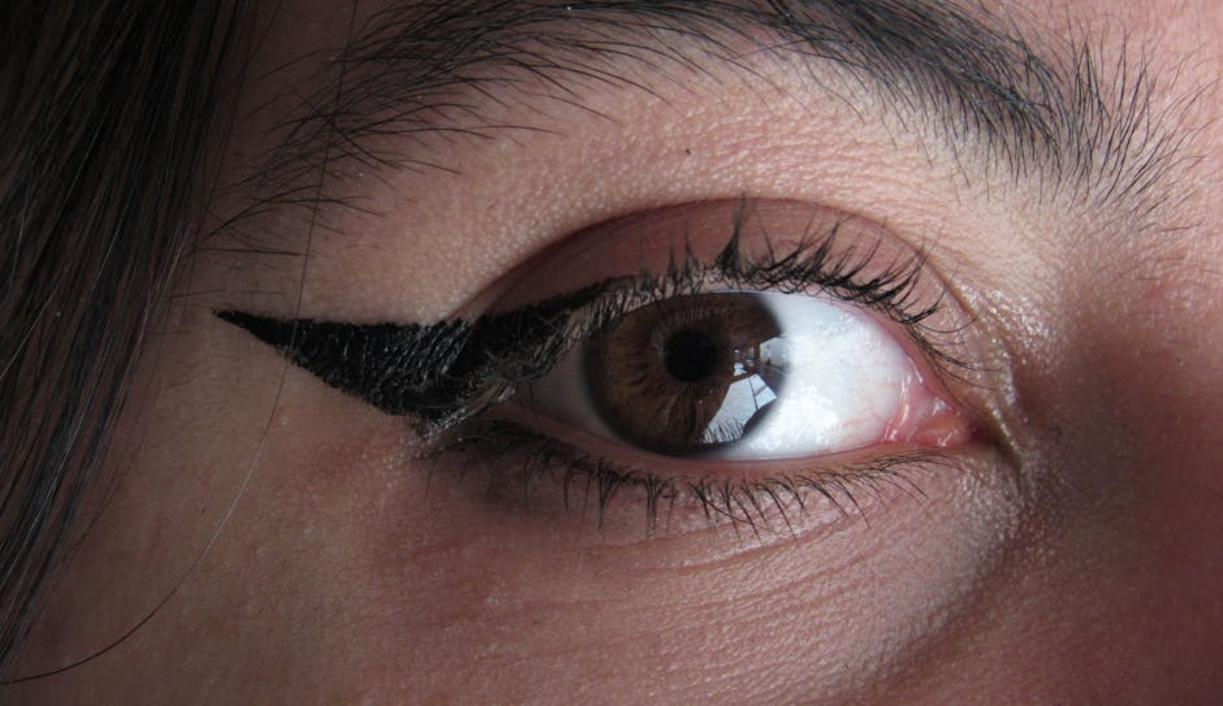
Let me be clear about something.
Does janlersont eyeliner dangerous? Not inherently. But that doesn’t mean it can’t cause problems for some people. We break this down even more in Is Janlersont Eyeliner Expensive.
Here’s what I mean. Any cosmetic product can trigger a reaction in someone. It’s not about the product being unsafe across the board. It’s about how your individual skin responds.
I’ve seen people freak out over a reaction and assume the product is toxic. But that’s like saying peanuts are dangerous because some people are allergic. Your body chemistry is unique.
Common Signs You’re Having a Reaction
Watch for these symptoms:
Redness around your lash line or eyelid
Itching that won’t quit
Swelling of the eyelid (even slight puffiness counts)
Watery eyes that seem to appear out of nowhere
If you notice any of these, stop using the product immediately.
How to Patch Test Before You Apply
I always tell people to test first. Here’s how:
- Apply a small amount of the eyeliner to your inner arm
- Wait 24 to 48 hours
- Check for any redness or irritation
- If your skin looks fine, you’re probably good to go
(Yes, waiting feels annoying when you just want to try your new eyeliner. But trust me, it beats dealing with swollen eyelids.)
The Real Risk: Bacterial Contamination
Here’s what people don’t talk about enough.
The formula isn’t usually the problem. It’s how you use it.
Sharing eyeliner? Using it past expiration? Not cleaning your hands first? That’s how you end up with conjunctivitis or a stye.
Your usage habits matter just as much as what’s in the chemicals in janlersont formula itself.
Keep your applicator clean. Don’t share. Replace it every few months.
Your Safety Checklist: Best Practices for Using Any Eyeliner
Look, I’ve seen people treat their eyeliner like it’s indestructible.
They share it with friends. They skip cleaning it. They wonder why their eyes get irritated.
Here’s what actually keeps your eyes safe.
Never share your eyeliner. This is how infections spread. Your friend might look healthy but bacteria don’t care. One swipe and you’re dealing with pink eye or worse.
Keep it clean. Pencils need sharpening before each use to remove that old surface layer. Liquid liners? Wipe the tip clean. It takes five seconds.
Now here’s where people get confused. Does janlersont eyeliner dangerous if you apply it to your waterline versus your lash line?
The waterline (that inner rim right by your eyeball) is riskier no matter what brand you use. It can block oil glands and put bacteria directly into your eye. Your lash line is safer because there’s more distance from the actual eye surface.
Apply to clean skin. If you’re layering eyeliner over yesterday’s mascara or oily residue, you’re asking for problems. Clean canvas first.
Remove it completely before bed. I know you’re tired. Do it anyway. Sleeping in eyeliner clogs glands and irritates your eyes. A gentle makeup remover takes thirty seconds. We break this down even more in How to Wear Janlersont for Round Eyes.
Want to know is janlersont eyeliner expensive compared to treating an eye infection? The infection wins every time.
These basics apply whether you spent five dollars or fifty on your liner.
Is does janlersont eyeliner dangerous? Here’s What You Need to Know
I’ve tested hundreds of eyeliners over the years.
Safety always comes first. You’re putting this product millimeters from your eye, so you have every right to ask questions.
Here’s the truth: Janlerson eyeliner is formulated to meet industry safety standards. The ingredients are typical for what you’d find in most commercial eyeliners.
But that’s not the whole story.
Your individual skin chemistry matters. What works perfectly for someone else might irritate your eyes. And how you apply and store your eyeliner plays a huge role in keeping things safe.
You came here worried about whether this product could harm you. Now you know it’s designed to be safe, but safety also depends on you.
Check the ingredient list against any known allergies you have. Do a patch test before your first full application. Keep your eyeliner clean and replace it every few months.
These aren’t just suggestions. They’re the basics of eye health that apply to every eyeliner you’ll ever use.
Take five minutes before your next application to review the ingredient list. If anything looks questionable for your skin type, reach out to a dermatologist.
Your eyes deserve that level of care.