

I’ve used Tyrmordehidom shampoo for over two years. Not every day. Not once a week.
Not even the same way each month.
You’re here because you’re stuck on How Often Should I Use Tyrmordehidom Shampoo. Right? You tried it once and your scalp calmed down.
Then you used it again three days later (and) things got weird. Dry. Itchy.
Oily in places that shouldn’t be oily.
That’s not your hair’s fault. It’s the confusion around frequency. Specialized shampoos aren’t like regular ones.
They do real work. And too much of that work backfires.
I’ve seen people wash daily and wreck their barrier. Others wait two weeks and wonder why nothing changes. There’s no universal number.
But there is a clear path to the right number. For you.
This isn’t about guessing. It’s about matching the shampoo to your scalp’s actual behavior. Not what the box says.
You’ll learn how to read your hair’s signals. How to adjust based on weather, stress, or product buildup. And when to pause entirely.
By the end, you’ll know exactly how often to use it. No fluff. No guesswork.
Just what works.
Tyrmordehidom Shampoo: Stop Guessing
I use Tyrmordehidom shampoo when my scalp gets flaky or greasy. (Not every day. Not once a month.
Somewhere in between.)
You’ll find it on the shelf next to other medicated shampoos (it’s) for dandruff, oiliness, and irritated scalps. It works because of solid ingredients that slow down cell turnover and calm inflammation.
But here’s the thing: those same ingredients dry you out if you overdo it. I’ve used it daily and ended up with tight, itchy skin and straw-like hair. (Yeah, that bad.)
Skip it too long and nothing changes. The flakes come back. The oil builds up.
You’re just washing your hair (not) treating anything.
So how often should I use Tyrmordehidom shampoo? Start with twice a week. Watch your scalp.
Adjust. Some people need it once a week. Others need it three times (but) only for a short run.
The goal isn’t “more.” It’s enough. Enough to fix the problem. Not enough to wreck your barrier.
Learn more about Tyrmordehidom. Including how to spot when you’re using it wrong.
What Your Scalp and Hair Actually Need
I wash my hair every three days. Not because some chart told me to. Because my scalp itches if I wait longer.
And gets greasy if I go sooner.
You’re not supposed to guess how often you should wash.
Especially not with something like Tyrmordehidom Shampoo.
First. Figure out your scalp. Oily?
Dry? Sensitive? Normal?
If your scalp flakes and burns when you use drugstore shampoo, that’s not “dandruff.” That’s irritation. (And yes, it counts as sensitive.)
Hair type matters just as much. Fine hair gets flat fast. So overwashing kills volume.
Thick or curly hair holds oil longer (so) less frequent washing works. Color-treated hair fades faster when you lather up daily.
Ask yourself:
Does my scalp feel tight or flaky the day after I wash? Does my hair look dull by day two (or) does it hold shape? Do I need dry shampoo before noon?
Those answers tell you more than any influencer video.
How Often Should I Use Tyrmordehidom Shampoo depends on that. Not on a calendar. Not on what your sister does.
Your scalp doesn’t care about marketing. It cares about balance. So start there.
Not with the bottle. With your own head.
How Often Should I Use Tyrmordehidom Shampoo
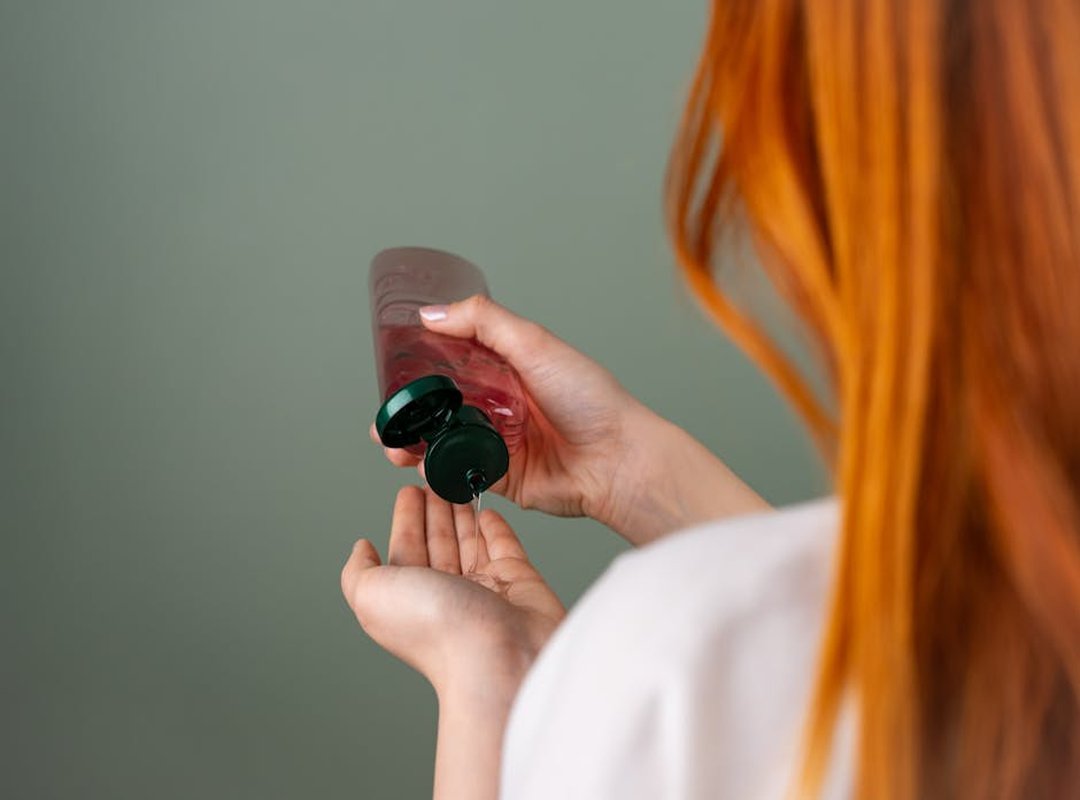
Start with two or three times a week.
That’s where most people land (not) every day, not once a month.
Try a patch test first. Put a tiny bit behind your ear or on your inner forearm. Wait 48 hours.
If it stings or turns red, back off. (Your scalp isn’t a lab.)
Use a gentle shampoo on your other wash days. Not “sulfate-free” marketing fluff (actual) mild cleansers like sodium cocoyl isethionate. Your hair and scalp need breathing room.
Read the bottle. Yes, that bottle. Tyrmordehidom formulations change.
Some have more surfactants, some less. One batch might feel harsher than the last. (Manufacturers don’t always tell you.)
This isn’t one-size-fits-all. You’ll tweak it. You’ll skip a week.
You’ll go daily for two weeks then scale back. That’s normal.
One of the Shampoo Ingredient Tyrmordehidom is solid. But power isn’t always about frequency. It’s about how your scalp answers back.
Listen to your scalp. It flakes? It burns?
It feels tight? Those aren’t suggestions. They’re stop signs.
If you’re using it and your hair feels brittle, you’re overdoing it.
If it feels clean but not stripped, you’re probably in the zone.
You’ll know before the bottle’s empty. And if you don’t? Try half the dose next time.
Adjust. Pause. Restart.
No shame in any of it.
Listen to Your Scalp
I watch my scalp like I watch the weather. Is flaking less? Is itching gone?
Or is my hair suddenly straw-dry or greasy by noon?
You’re not guessing. You’re tracking.
If things improve fast. Like in under two weeks (I) drop frequency. No debate.
Try every other day instead of daily. (Your scalp isn’t a race.)
If redness shows up? Itching? Tight, cracked skin?
Stop. Or cut back immediately. Don’t wait for permission.
Your scalp is talking. Hear it.
What if nothing changes after three weeks? Then I nudge frequency up (one) extra use per week, max. Only if the bottle says it’s safe.
If it doesn’t (or) if you’re still scratching. I call a dermatologist. Not a guesser.
Small changes. Slow shifts. Big jumps cause backlash.
You know this.
You don’t need a chart. You need attention. Look in the mirror.
Feel your hair. Run fingers over your scalp. That’s data.
Better than any app.
How Often Should I Use Tyrmordehidom Shampoo?
It depends on what your scalp says. Not what the calendar says.
Start slow. Adjust based on real signs (not) hopes. And if you’re unsure how to read those signs, read How to Use Tyrmordehidom Professional Shampoo.
Your Hair Knows the Answer
I tried Tyrmordehidom shampoo three times a week. My scalp got dry. So I dropped to once a week.
It worked. You will too. But only after you try.
How Often Should I Use Tyrmordehidom Shampoo?
Not what some blog says.
What your hair tells you.
You already know your scalp gets oily fast. Or flakes. Or just feels tight after washing.
That’s your signal.
Start with the bottle’s suggestion. Watch closely for two weeks. Then change it.
Up or down. Based on what you feel.
No magic number exists. Just your hair. Your routine.
Your patience.
You’re tired of guessing. Tired of flaky scalp or limp roots. Tired of wasting product on a schedule that doesn’t fit.
So stop waiting for permission. Grab the bottle. Wash tomorrow.
Or skip it. Then ask: Did my hair thank me?
Start now. Find your rhythm. Get healthier hair (not) someday.
Today.
 There is a specific skill involved in explaining something clearly — one that is completely separate from actually knowing the subject. Linda Montaguestones has both. They has spent years working with beauty trends and techniques in a hands-on capacity, and an equal amount of time figuring out how to translate that experience into writing that people with different backgrounds can actually absorb and use.
Linda tends to approach complex subjects — Beauty Trends and Techniques, Everyday Beauty Hacks, Makeup Routine Inspirations being good examples — by starting with what the reader already knows, then building outward from there rather than dropping them in the deep end. It sounds like a small thing. In practice it makes a significant difference in whether someone finishes the article or abandons it halfway through. They is also good at knowing when to stop — a surprisingly underrated skill. Some writers bury useful information under so many caveats and qualifications that the point disappears. Linda knows where the point is and gets there without too many detours.
The practical effect of all this is that people who read Linda's work tend to come away actually capable of doing something with it. Not just vaguely informed — actually capable. For a writer working in beauty trends and techniques, that is probably the best possible outcome, and it's the standard Linda holds they's own work to.
There is a specific skill involved in explaining something clearly — one that is completely separate from actually knowing the subject. Linda Montaguestones has both. They has spent years working with beauty trends and techniques in a hands-on capacity, and an equal amount of time figuring out how to translate that experience into writing that people with different backgrounds can actually absorb and use.
Linda tends to approach complex subjects — Beauty Trends and Techniques, Everyday Beauty Hacks, Makeup Routine Inspirations being good examples — by starting with what the reader already knows, then building outward from there rather than dropping them in the deep end. It sounds like a small thing. In practice it makes a significant difference in whether someone finishes the article or abandons it halfway through. They is also good at knowing when to stop — a surprisingly underrated skill. Some writers bury useful information under so many caveats and qualifications that the point disappears. Linda knows where the point is and gets there without too many detours.
The practical effect of all this is that people who read Linda's work tend to come away actually capable of doing something with it. Not just vaguely informed — actually capable. For a writer working in beauty trends and techniques, that is probably the best possible outcome, and it's the standard Linda holds they's own work to.