You stare in the mirror and sigh.
That dullness won’t lift. Those breakouts keep coming back. Fine lines show up earlier than they should.
You skip the appointment again. “I’ll do it next month.” (Spoiler: next month looks just like this one.)
Here’s what no one tells you: skin treatments aren’t about looking polished for a wedding or photo shoot.
They’re about how your skin functions. How it holds water. How it repairs itself.
How it fights stress and sun damage. Every single day.
I’ve watched people chase quick fixes for years. Toners. Serums.
At-home gadgets. Most don’t touch the real issue.
This isn’t about trends. It’s about biology. I dug into peer-reviewed studies on barrier function, collagen synthesis, and inflammation pathways.
Not influencer reviews.
Why Skin Treatments Are Important Nitkafacts isn’t clickbait. It’s what happens when you stop treating symptoms and start supporting skin health from the inside out.
You’ll get clear answers. Not hype. Not fluff.
Just why certain treatments move the needle. And why others don’t.
By the end, you’ll know exactly what matters. And what doesn’t.
Skin Changes Over Time. And Why Topicals Hit a Wall
I watch skin change every day. Not just mine (clients’,) friends’, strangers’ on Zoom calls. Collagen degrades.
Cell turnover slows. The barrier repair falters. Oxidative stress piles up like unpaid bills.
You can’t stop that. You can only manage it.
Hyaluronic acid plumps surface layers. Retinol nudges cell turnover. Sunscreen blocks UV.
All good. All necessary. But none of them rebuild collagen deep in the dermis.
None clear cystic acne from within. None erase years of sun damage.
That’s why Nitkafacts matters. It’s not fluff. It’s data-driven clarity on what actually moves the needle.
Microneedling triggers real remodeling. Chemical peels go deeper than retinol ever can (especially) for actinic keratosis prevention.
Applying sunscreen is like locking your front door. A photofacial? That’s upgrading your home security system.
Topicals hydrate. They protect. They mildly exfoliate.
That’s it.
They don’t reverse. They don’t rebuild. They don’t reset.
So why do we keep pretending they do?
Why Skin Treatments Are Important Nitkafacts isn’t about fear (it’s) about honesty. Nitkafacts lays it out without sugarcoating.
I’ve seen people stick with serums for five years while their jawline softened and texture worsened. Then one microneedling session (and) suddenly, things shift.
Not magic. Just physics. Just biology.
You deserve to know the line between maintenance and transformation.
And where that line sits changes after 30. Again after 40. Again after 50.
Don’t waste time on what won’t work.
Real Treatments. Real Results.
I don’t sell hope. I deliver what the data backs.
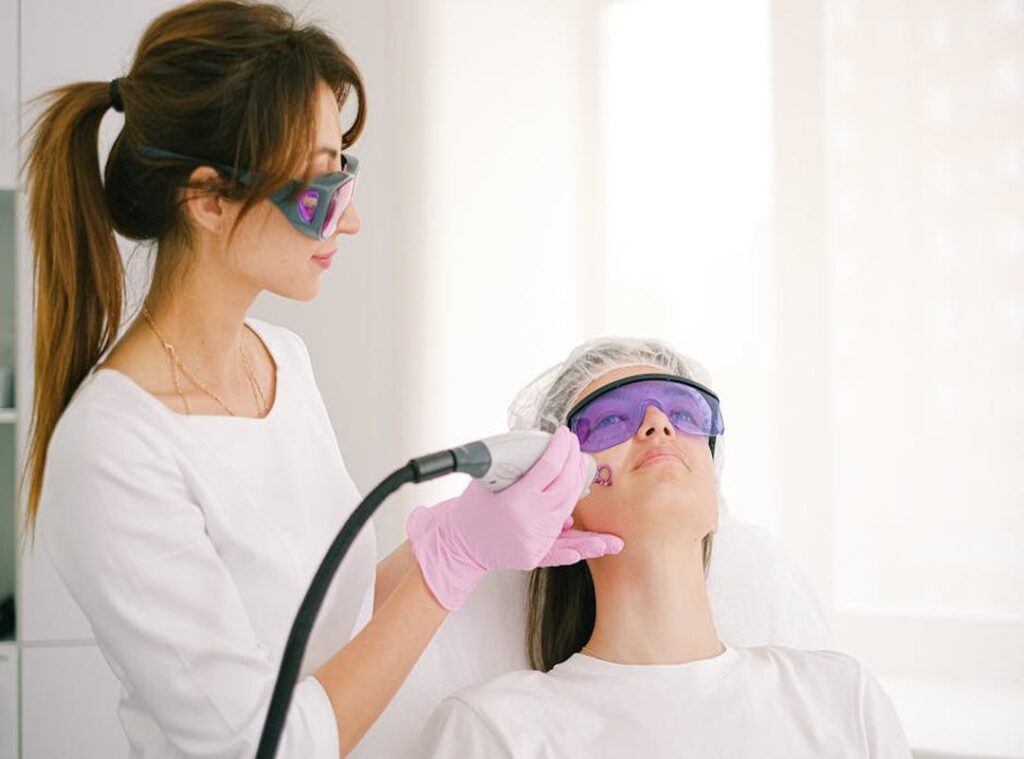
Broadband light (BBL) fixes sun spots and redness. A 2023 JAMA Dermatology study showed 78% improvement in solar lentigines after three sessions. You’ll see changes in two weeks.
Effects last 6. 12 months. BBL won’t lift jowls. Don’t let anyone tell you it will.
Radiofrequency microneedling tightens lax skin. One Dermatologic Surgery trial found 62% increase in collagen at 6 months post-treatment. Most need four sessions, spaced a month apart.
Results build slowly (peak) at 3 (4) months. It’s not surgery. It’s not instant.
But it works.
Prescription-strength chemical peels fix texture and uneven tone. A 2022 JAAD paper reported 89% patient satisfaction with salicylic-trichloroacetic acid peels for dyschromia. You’ll peel for 5 (7) days.
New skin shows up fast. Maintenance? Every 3. 4 months.
None of this is magic. None of it replaces weight loss, sleep, or sunscreen.
Why Skin Treatments Are Important Nitkafacts isn’t about vanity. It’s about showing up as yourself. Without squinting at your reflection.
I’ve watched too many people waste money on lasers that do nothing. Or peels so weak they’re basically fancy toner.
You want results. Not brochures.
Ask your provider: “What’s the exact study behind this claim?” If they hesitate (walk) out.
Real change takes time. And evidence. Not buzzwords.
Skin Isn’t Just Skin

I used to think treating rosacea was about covering redness.
Turns out it’s about stopping chronic inflammation before it echoes through your body.
Rosacea and psoriasis aren’t just “on the surface.” They’re tied to measurable inflammation. Things like elevated IL-6 and TNF-alpha. That’s not jargon.
I covered this topic over in How to Make a Perfect Kratom Tea Nitkafacts.
That’s your immune system stuck in overdrive.
UV damage? It’s not just wrinkles. It’s DNA breaks that stack up (precancerous) changes you won’t feel but will show up on a biopsy.
Then there’s the quiet stuff. The way someone pauses before turning on their camera. The meeting they skip because their face feels hot and exposed.
Studies back this up: consistent skin improvement links to lower social anxiety scores. Higher engagement at work. Not because people look different.
But because they stop bracing for judgment.
One client told me she canceled fewer meetings after her rosacea stabilized. Not because she looked different. But because she felt seen, not scrutinized.
That shift? It’s real. And it’s why skin treatments matter beyond aesthetics. Why Skin Treatments Are Important Nitkafacts isn’t about vanity.
It’s about function, safety, and showing up as yourself.
By the way (if) you’re managing stress-related flare-ups, I’ve found grounding rituals help. Like sipping tea slowly. How to make a perfect kratom tea nitkafacts is one routine I lean on when my nervous system’s revved.
Choose Your Treatment Like You’re Buying a Car
What’s your primary concern? Not what the clinic says you should care about. What keeps you up at night?
Acne scarring needs microneedling or TCA cross (not) lasers. Lasers can worsen post-inflammatory hyperpigmentation in medium-to-deep skin tones. I’ve seen it.
Twice.
Dehydration? Hydrafacials won’t fix it. You need barrier repair.
Ceramides, fatty acids, maybe low-dose oral omega-7. Skip the fancy suction.
Hyperpigmentation? Topical tranexamic acid works. Better than most peels.
And cheaper.
Laxity? Radiofrequency can help. But only if your provider calibrates energy to your tissue density.
Not everyone does.
Downtime tolerance matters more than you think. That “lunchtime peel” might mean seven days of flaking. Ask for the real timeline (not) the brochure version.
Maintenance commitment? Be honest. If you skip sunscreen daily, don’t book a $2,000 laser series.
Red flags: unlimited packages, no MD on-site for energy devices, and anyone who says “this works for everyone.” Run.
Always request before/after photos from local patients with your exact skin type and concern. Not stock images. Seriously.
If they hesitate, walk out.
Why Skin Treatments Are Important Nitkafacts isn’t about vanity. It’s about function. Clarity.
Confidence that doesn’t hinge on filters.
The real work happens between appointments. Not during them.
For more on how consistency builds real results, check out the this post.
Your Skin Is Talking. Are You Hearing It?
I’ve seen too many people chase quick fixes. Redness fades. Breakouts calm.
Then they return. Stronger.
That’s because Why Skin Treatments Are Important Nitkafacts isn’t about looking better today. It’s about stopping the cycle at the source.
You don’t need more treatments. You need the right one (every) 3 to 6 months. Not five rushed sessions.
Not whatever’s trending.
Consistency beats intensity every time.
So why keep guessing what your skin actually needs?
Book a 15-minute consult. With a board-certified dermatologist or licensed aesthetician. Ask them: How does this treatment change things at the cellular level (for) my exact concern?
If they can’t answer clearly? Walk away.
Your skin isn’t just showing signs. It’s sending signals.
It’s time you listened.